
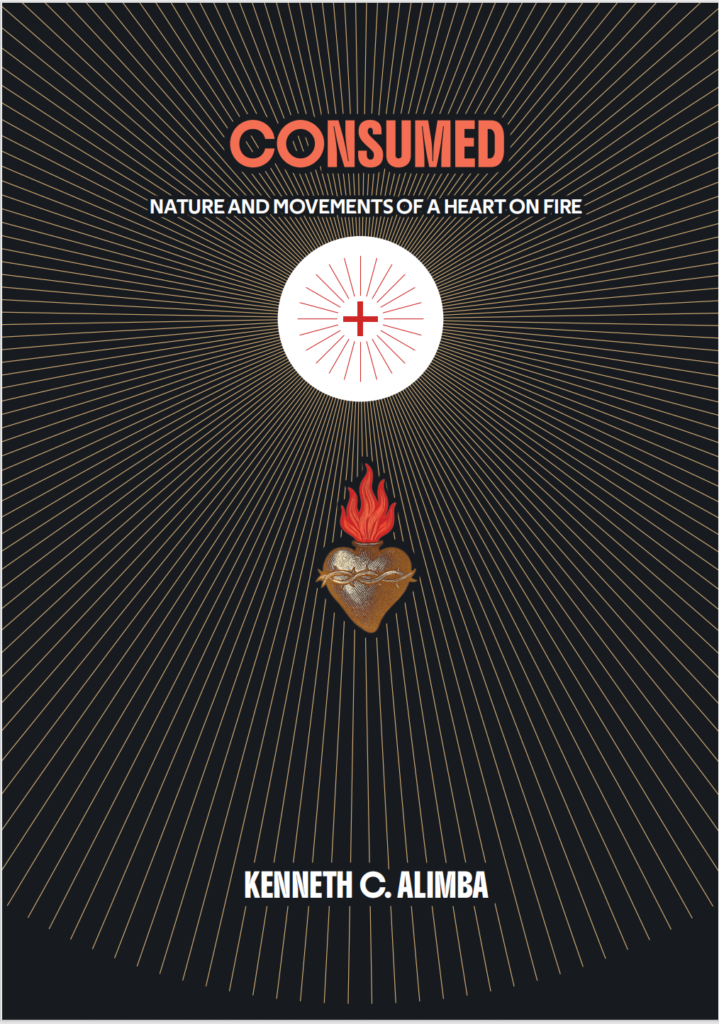
Author’s note: All quotations from Consumed: Nature and Movements of a Heart on Fire are by the author, Kenneth C. Alimba (2026), and are used throughout this article to deepen each point.
There is a question every serious believer carries somewhere close to the surface: what does it actually take to make heaven? Not in the abstract. Not as theology. But as a life. As a daily, costly, joyful, relentless practice.
The saints answered this question not with words alone but with their entire existence. They left behind a road map written in blood, prayer, tears, and fire. What follows is that road map, drawn from their lives and from the wisdom of those who have walked seriously with God.
Rule One: Love God and Keep Your Eyes on Him
This is the first and the root of everything else. We must love God more than anything and desire, far above everything, to please Him. This desire to please God must be so consuming that nothing in creation compares to it. And if at the moment we do not have this burning desire, we must desire this desire and ask for it of God, who is always rich in mercy to bestow it upon us.
St. Clare of Assisi summarized it with a simplicity that cuts through every complication:
“Love God, serve God; everything is in that.”
But what does it mean to love God? It means giving Him not a portion but everything:
“If He has given us everything, we too must give everything. The only return for a life given is life itself; the only way to repay One who died for you is to die for Him. Life must be given for Life and death for death.”
This is the greatest bargain ever offered to a human soul. Everything we could ever give God is so far outweighed by what He gives in return that to hesitate even for a moment reveals how little we have truly understood what is being offered.
“I count everything as loss because of the surpassing worth of knowing Christ.”
(Philippians 3:8)
So we receive God and seek no other. And if we do seek other things, we seek them according to His law, in a manner that pleases Him.
Rule Two: Love Your Neighbour and Practise Charity and Mercy
The second rule flows directly from the first. We live out the consequence of loving God by directing that love toward our neighbours, loving them because of God rather than because of who they are or what they deserve.
When we love because of God, we do not love because of our neighbours. And when we do not love them for themselves alone, we can overlook their frailty and even their evils, and love them as God loves us and them. We love, in other words, with the very heart of God. We serve and show mercy even when it is not deserved, knowing that if we only love those who love us or those who have earned it, what value is it?
“If you love those who love you, what credit is that to you? Even sinners love those who love them.”
(Luke 6:32)
The saints understood that love shines brightest precisely when it is given to the undeserving:
“Some may object that God demands too much of us: asking us to bear injustice against our egos patiently, to forgive even the unrepentant who has not asked our pardon, to care for the needy, and to show love to the most undeserving, knowing that if they deserved it, it would be an act of justice, not love. But love shines brightest when it is given to the undeserving.”
Our objections about who deserves our mercy collapse entirely the moment we remember what we ourselves have received from God without deserving any of it.
Rule Three: Pray Without Ceasing
This rule is a direct consequence of the first. To love someone is to want to be with them. We cannot say we love God if we never desire to pray and commune with Him. Prayer is not merely a religious obligation. It is the breath of a soul that is alive in God.
“Prayer is to the soul what breathing is to the body. Cling to God in prayer and never let Him go.”
“A day without prayer should feel incomplete, because it is. Through prayer we dialogue with God and deepen His life in us, exchanging our death for His life, our hate for His love, our coldness for His fire.”
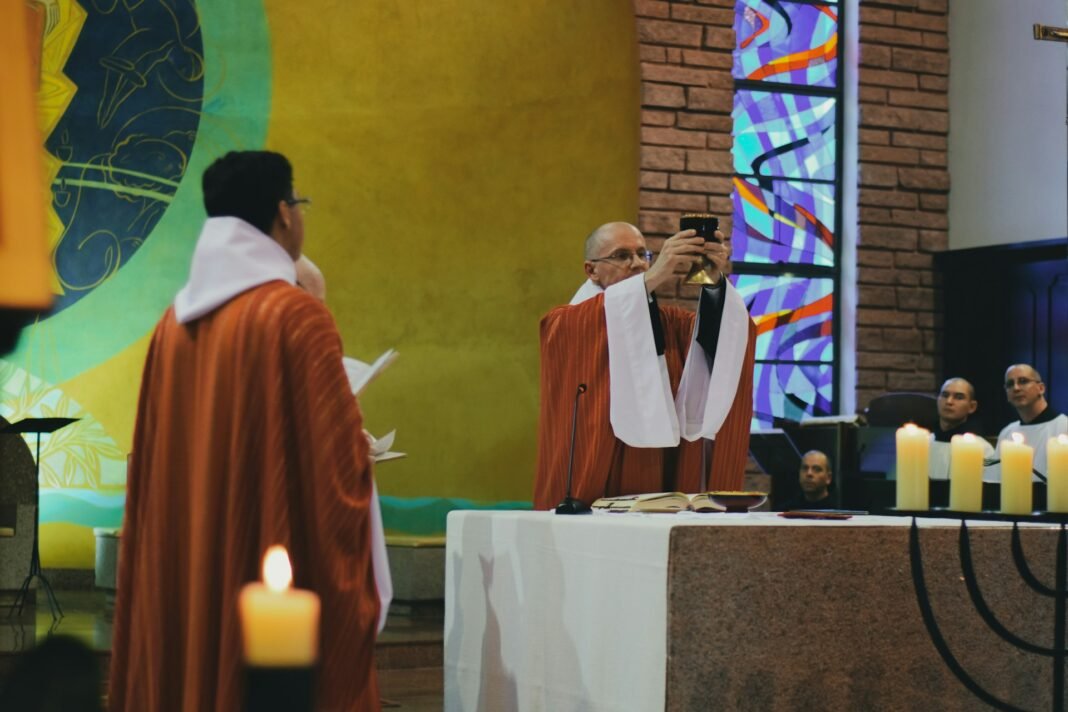
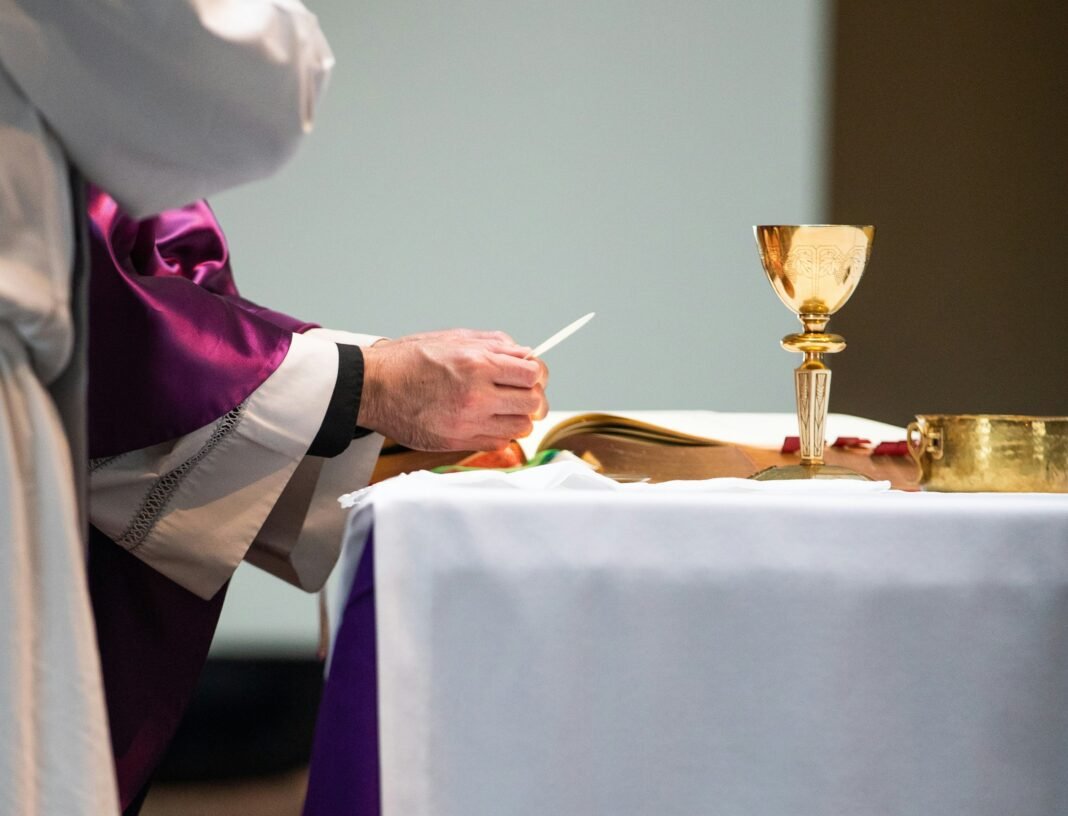
We must attend Mass weekly and, if possible, daily. There should be no limit to our desire for Christ in the Eucharist. It makes perfect sense to want Jesus more than once a day in communion, but far less sense to desire Him only once a week on Sunday. If Sunday is all we can manage, we must never feel dismayed. However, we must make daily acts of spiritual communion to keep alive this longing for our Lord in the Eucharist:
“The heart longs for Him at night and rejoices in the morning at Mass, when it possesses Him in Holy Communion, starting the day with such a burst of fire, gaining enough grace to carry out our tasks with love throughout the day. By midday the heart hungers for more, longing to spend a little time with Jesus in the Tabernacle, and counting the hours until it can receive Him again.”
This is far more coherent than forgetting Jesus after Sunday and not longing for Him again until the following week.
“Pray without ceasing.”
(1 Thessalonians 5:17)
Rule Four: Be Humble
Humility is difficult to attain for most of us because of our fallen nature. We are averse to service, to bearing insults and injuries patiently. We like to get even and exact some form of revenge. But humility is an invitation to live in the presence of God who loved us so radically that He gave Himself entirely for us.
The humility of God humbles all of us. At this point, no one can safely raise himself above his brother, since the Lord Himself made Himself subject to His own creatures for our sake. They beat Him, mocked Him, and killed Him. When confronted with this reality, we see that the love we have for our Lord compels us to be humble:
“We do not awake in awe because of our ingratitude in the face of such love from God, that He would endure our humanity to save us, and that this endurance was not enough: He chose to lay down His life, accepting the indignity of being killed naked on the Cross between two thieves by the very people whom He not only made, but at that very moment of His death continued to sustain in existence.”
This humility also compels us to submit to the Church wholeheartedly in matters of faith and morals, to follow her disciplines, and even when we disagree with pastoral judgements to still defer to her leaders with humility. No one comes to heaven without humility, and this humility begins with the genuine desire to be subject to all according to the will and pleasure of Almighty God.
St. Augustine captured the stakes with a single sentence:
“It was pride that changed angels into devils; it is humility that makes men as angels.”
And without this interior humility, even grace finds no way in:
“Without humility, Christ’s grace cannot take root in the soul; it remains unreceived, as oil on water.”
Rule Five: Practise Charity in Action, Not Just in Words
Go out into the world and make disciples. But also go out into the world and feed the hungry, clothe the naked, visit the sick, and stand with the forgotten. As St. Teresa of Avila wrote:
“Christ has no body now but yours, no hands, no feet on earth but yours. Yours are the eyes through which He looks with compassion on this world.”
The Mass itself commissions us for this. The sending forth at the end of the liturgy is not a dismissal but a mandate:
“You have your true life and being in the Church, the Body of Christ; you are sent from your home into the world, but without leaving your home. You are sent into the world by Christ, not so that you can become of the world, but so that you can be its light. You carry the fire of Christ within you, the Church’s mandate in your hands, and you speak with the voice of Christ to others.”
It is scandalous when those who know God and attend Mass week after week live lives no different from those who have never encountered Him:
“We who have eaten the Bread of life yet take bribes, refuse to pay just wages, and contribute to other social evils, and still count ourselves children of God, are fooling ourselves.”
“Faith by itself, if it does not have works, is dead.”
(James 2:17)
Rule Six: Fast and Train the Will
Many of the battles we fight against our fallen natures will be more quickly won and more firmly retained through fasting. We deprive the flesh of its comforts the better to learn detachment from created things, which is usually the source of many of our disorders and sins.
The saints taught without apology that fasting cleanses the soul, raises the mind, subjects the flesh to the spirit, and renders the heart contrite and humble. But this principle extends beyond food into every area where the senses must be governed:
“Guard your eyes against viewing things that incite lust or greed or anger. Guard your ears against gossip and unwholesome music. We must curb curiosity when it seeks to pry into others’ affairs. We avoid reading or watching things that glorify sin or ridicule virtue. In short, we strive to keep watch over what enters our mind through the senses.”
On the spiritual logic of radical detachment, there is no room for compromise:
“If we truly value our souls, we would take no risks with them for the sake of fleeting pleasures.”
Fasting is not about food alone. It is about training the will to choose God over comfort, so that when temptation comes, there is something in us already accustomed to saying no.
“But I discipline my body and keep it under control, lest after preaching to others I myself should be disqualified.”
(1 Corinthians 9:27)
Rule Seven: Persevere Till the End
Whatever practice of faith we have will mean very little if in the end we abandon it. We must keep our end in view constantly and even meditate on death. One of the most powerful books for this kind of nightly meditation is Preparation for Death by St. Alphonsus Liguori. We must not only have our end in view, but constantly pray for the gift of final perseverance, so that we do not lose our faith at the last. God rewards only those who persevere to the end, even through many trials and tribulations.
For the soul who keeps falling and wonders whether to give up, the counsel is this:
“One thing you must remember is to keep peace of soul no matter what you have done. When we spiral after a sin, we are flirting with despair. The correct attitude is to maintain enough peace of soul to ask oneself critical questions: What do I need to do to avoid this sin in the future? What must I do to obtain pardon as quickly as possible, without wasting time?”
And for the soul who has fallen and risen and fallen again, this prayer points the way forward:
“Lord, I am sorry that I have foolishly fallen again. It seems all I can truly promise and keep is that I will never stop coming to You for mercy, and I will never stop fighting against my enemies, temptations, and sins. Have mercy and heal me.”
Perseverance is not the absence of falls. It is the refusal to stay down. Heaven is not for the perfect. It is for those who keep getting up.
“He who endures to the end will be saved.”
(Matthew 24:13)
And the most important reminder of all:
“You are made for God. Do not be afraid to give Him everything. Whatever you have comes from Him anyway, so give Him yourself as well. If you have no love for God, cry out for it. This is the one thing that makes life beautiful, the one thing that makes life worth living.”
Which of these seven rules do you find most challenging in your own life? Leave a comment below.
Make a one-time donation
Make a monthly donation
Make a yearly donation
Choose an amount
Or enter a custom amount
Your contribution is appreciated.
Your contribution is appreciated.
Your contribution is appreciated.
DonateDonate monthlyDonate yearlyDiscover more from Catholicsay
Subscribe to get the latest posts sent to your email.