Friday, April 3, 2026
15.3 C
London
Home Blog Page 31

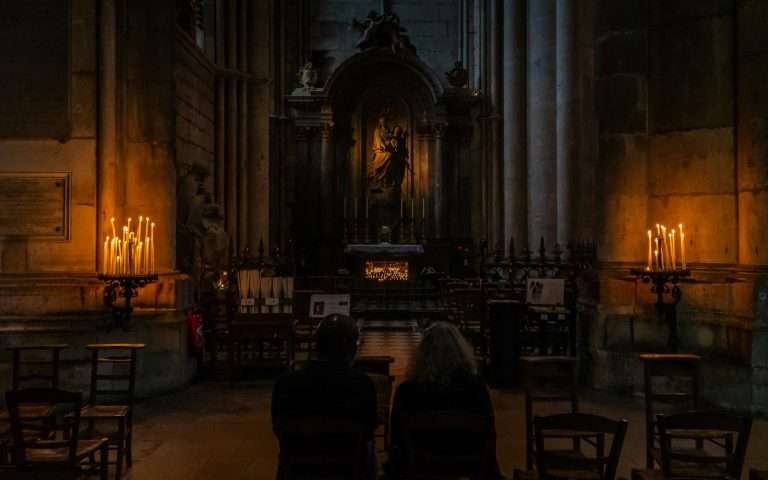
Ten Reasons to Make a Holy Hour According to Archbishop Fulton Sheen

0

Ten Reasons to Make a Holy Hour According to Archbishop Fulton Sheen

Have you ever wondered why it’s recommended to spend an hour a day meditating? The truth is that we often live on the surface of our souls, not knowing much about ourselves or God. Most of our problems stem from mistakes in our life plans since we’ve forgotten the purpose of living and even doubted the value of it. Our souls are in agony because we’re not tending to the fullness of Life, Truth, and Love, which is God. It’s like a broken bone that causes pain because it’s not where it should be.

However, there are ten good reasons why we should make a Holy Hour.

Firstly, it’s time spent in the presence of Our Lord Himself. If our faith is alive, no further reason is needed. Secondly, it helps us shake off the “noonday devils,” the worldly cares, that cling to our souls like dust. Thirdly, it keeps a balance between the spiritual and practical aspects of our lives. Fourthly, it helps us make reparation for the sins of the world and our own sins. Fifthly, it reduces our liability to temptation and weakness. Sixthly, it’s a personal prayer that shows our love for God. Seventhly, it keeps us from seeking an external escape from our worries and miseries. Eighthly, it’s necessary for the Church. Ninthly, it helps us practice what we preach. And lastly, it brings us closer to God and helps us understand the mystery of His government.

So, if you’re ever wondering why it’s worth spending an hour a day meditating, remember these ten reasons. It’s not an obligation forced upon us; it’s a way to cultivate our friendship with God and achieve spiritual fellowship with Him.

Renew Your Relationship With the Eucharistic Jesus

0

Renew Your Relationship With the Eucharistic Jesus

In my opinion, the Catholic Church is currently facing a significant problem: the loss of faith in the Real Presence of Our Lord in the Blessed Sacrament. During Holy Communion, the priest presents the sacred Host and declares, “The Body of Christ.” When you respond with “Amen,” it is not just a ritualistic response, but rather an affirmation of the truth of the declaration. By saying “Amen,” you are acknowledging before God that you believe that the bread and wine you receive are, in fact, the Body and Blood of Christ in disguise.

The Holy Eucharist is the greatest of the seven sacraments because in it we are receiving not just the grace of Jesus Christ, but Jesus Christ Himself. The Eucharist is “the source and summit of Christian life.” Without Christ’s Eucharistic Presence, the Catholic Church is just another Christian denomination among thousands.

We must make an important distinction in regard to the ways in which God is present. Obviously, God is present everywhere; He is omnipresent. But, in the Holy Eucharist, Jesus Christ is uniquely present. He is not only spiritually present: He is also substantially and bodily present. In the Most Blessed Sacrament, He is present in His divinity and His humanity! By the Will of God the Father, the sacred humanity of Christ is the greatest source of graces, blessings, strength, divine assistance, and consolation given for our lives – for those who believe!

The Mass is the one, supreme, eternal act of worship of the Son of God. The Mass is the mystical renewal and re-presentation of Our Lord’s sacrifice on Calvary. It is Calvary made present again, where the merits of His Passion and death are applied to our lives. This means that all the graces and all the blessings and all the power that flow from His Sacrifice are all applied to our lives and for our needs, the needs of the entire Church, and the needs of the whole world.

The Mass is the miracle in which Jesus calls Christians of every age and every time and every nation to be present at the Last Supper and, in a mystical way, to come to Calvary to stand at the foot of the cross, to relive the hour of His Passion, and to be fed with the Bread from Heaven that becomes His Sacred Body by the power of God’s Word. We’re saved by the Blood of the Lamb and nourished by eating the Flesh of the Lamb as we continue on our spiritual journey to the True Promised Land, which is God’s Heavenly Kingdom.

The Holy Eucharist is God with us and among us; He is the Source of all graces. When we come before Our Lord in the Blessed Sacrament and trust in the power of prayer, we draw strength from His inexhaustible strength. We draw power from His inexhaustible power. We draw peace from His inexhaustible peace. He is the one who makes all our prayers and all our efforts bear fruit.

It has always been true to say that every one of us needs to have a personal relationship with Jesus Christ. The summit of that personal relationship with Christ is when we are united with Him spiritually and physically in the Sacrament of His Body and Blood – in Holy Communion, where Jesus is present to us in His Body, Blood, Soul, and Divinity. Remember this, and never forget it: It just can’t get any more personal than that.

Ten Simple Steps to Strengthen and Protect the Family

Ten Simple Steps to Strengthen and Protect the Family

1. Embracing Holy Matrimony

The Sacrament of Holy Matrimony is the solid foundation upon which a family is built. It grants couples the grace to grow in love, faithfulness, and openness to life. Building a union without this sacrament is like constructing a house on sand, destined to crumble.

2. Nurturing Prayer in the Family

Prayer is essential for sanctifying the family. Following the example of Father Patrick Peyton, let us unite as a family in praying the Rosary, for it holds the power to keep families together.

3. Embracing the Sacramental Life

Attending Mass regularly and actively participating in the sacraments is crucial for the spiritual growth of the family. Through the Holy Eucharist, the family receives God’s love and grace.

4. Embracing Life and Rejecting Contraception

Rejecting the prevailing contraceptive mentality and embracing openness to life is crucial. Let us revive the mindset of welcoming children as precious gifts from God and nurture larger families.

5. Cultivating Mercy and Forgiveness

Resentments and unforgiveness poison the family, leading to constant quarrels and bitterness. Let us choose forgiveness as a divine virtue and avoid letting resentments destroy the family bond.

6. Prioritizing Communication

Lack of honest and frequent communication is a common ailment in many families. Effective communication between spouses, parents, and children is essential for a healthy family life.

7. Mealtime: A Sacred Opportunity for Communication

Mealtime should be a sacred occasion for the family to come together, free from distractions. No electronic devices—just genuine conversation, attentive listening, and love for one another.

8. Reviving the Spirit of Courtship and Honeymoon

Married couples should strive to keep the flame of love alive by dedicating time to each other. Recreate the cherished moments of courtship and honeymoon, fostering a deeper emotional bond.

9. Sunday: The Lord’s Day and Family Day

Sunday is not only a day to worship and attend Mass but also a day for family activities. Engage in various family-oriented pursuits, such as shared meals, sports, nature walks, board games, and quality time with loved ones.

10. Entrusting the Family to Mary’s Care

Consecrate your family to the Blessed Virgin Mary, the Mother of God and our spiritual mother. Wear the Scapular as a sign of dedication and pray the Holy Rosary together. Find refuge and solace in the loving embrace of the Sacred Heart of Jesus and the Immaculate Heart of Mary.

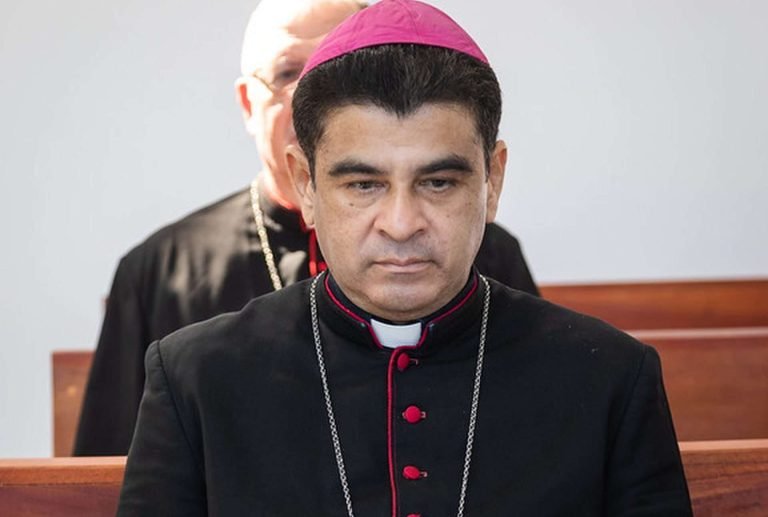
According to a Source: Jailed Nicaragua Bishop Alvarez Released and Re-arrested

0

According to a Source: Jailed Nicaragua Bishop Alvarez Released and Re-arrested

According to a diplomatic source in Managua, Bishop Rolando Alvarez, who had been incarcerated in Nicaragua, was temporarily released but subsequently re-arrested when he refused to leave the country. The bishop had been serving a 26-year prison sentence since February for his refusal to board a plane bound for the United States, which was carrying 222 political prisoners into exile.

The anonymous diplomatic source revealed that Alvarez was released on Monday but was later returned to the prison where he had been held for the past five months on charges of “undermining national integrity.”

However, Archbishop Leopoldo Brenes of Managua refuted this account, dismissing it as “speculation.” He criticized the dissemination of unverified news that had caused undue commotion, citing similar occurrences involving journalists.

Reports of Alvarez’s release had been circulating since Tuesday, particularly among Nicaraguan media in exile.

Bishop Alvarez has been an outspoken critic of what he perceives as restrictions on religious freedom imposed by the government of President Daniel Ortega, who has been in power since 2007.

Last week, the Inter-American Court of Human Rights issued a demand for the immediate release of Monsignor Rolando José Álvarez and called for measures to safeguard his life and well-being.

Tensions have strained relations between the Holy See and Managua. Earlier this year, the Vatican’s embassy in Nicaragua was closed after Pope Francis referred to Ortega’s government as a dictatorship in an interview.

UK Law Criminalizes Prayer Near Abortion Clinics

0

Catholic Bishops Express Concerns over Criminalization of Prayer and Outreach Activities Outside Abortion Clinics in UK

The Catholic bishops in the United Kingdom have raised concerns about new legislation that criminalizes prayer and outreach activities outside abortion clinics in England and Wales. They argue that this law unfairly discriminates against people of faith. Bishop John Sherrington of Westminster, the lead bishop for life issues in the Catholic Bishops’ Conference of England and Wales, expressed his lament on March 15, stating that engaging in prayer, holding certain beliefs, or peacefully witnessing to the Gospel of life within designated “zones” could now be considered criminal offenses.

Throughout the bill’s journey through Parliament, the Catholic Bishops’ Conference consistently emphasized its concerns regarding the proposed legislation, asserting that it amounts to discrimination and disproportionately impacts individuals with religious beliefs. On March 7, the House of Commons approved the creation of “buffer zones” across the country, imposing strict bans on behaviors that may interfere with a person’s access to or provision of abortion services near these facilities.

The law’s broad provisions encompass a wide range of activities, including silent prayer, and violation of the law can result in fines, potentially without a set limit. Several individuals have already faced penalties for breaching local buffer zones. For example, Adam Smith-Connor, who had experienced the loss of his unborn son through abortion decades earlier, was fined for praying outside an abortion facility under a protection order in Bournemouth in November 2022.

In another incident, Isabel Vaughan-Spruce, co-director of March for Life UK, and Father Sean Gough, a priest from the Archdiocese of Birmingham, were acquitted in February of all charges brought against them for allegedly violating a Birmingham council protection order by praying in front of an abortion clinic. These charges were related to separate incidents. Nevertheless, the day before the parliamentary vote, Vaughan-Spruce was detained for praying again outside the same abortion facility.

The bishops of England and Wales are particularly troubled by the rejection of an amendment that would have protected silent prayer and consensual communication within the affected buffer zones. This amendment failed with a vote of 299-116.

In their statement, the bishops emphasize the importance of religious freedom for both society and individual well-being. They affirm that religious freedom includes the right to publicly express one’s beliefs through witnessing, prayer, and charitable outreach. They argue that this new law has the potential to hinder these freedoms, thereby restricting freedom of thought, conscience, and religion.

Additionally, the bishops express concerns that such zones could be expanded to cover other topics, raising serious questions about the extent of the state’s powers over individuals in a free society, regardless of whether they hold religious beliefs or not.

Paul Coleman, executive director of the religious freedom advocacy group ADF International, describes these buffer zones as “censorship zones.” In a Newsweek essay published on March 10, he asserts that the law aims to use government censorship to suppress a specific viewpoint, empowering the police to question and arrest individuals based solely on their thoughts.

While condemning harassment and intimidation of women, the bishops maintain that there is little evidence to suggest that participants engaging in vigil activities exhibit such behaviors. They argue that the new law is overly broad, disproportionate, and unnecessary.

Simultaneously, the bishops stress that peaceful prayer and outreach outside abortion facilities are integral to Christian witness and practice. They assert that Christian prayer cannot be confined solely to places of worship or private spaces; it is a continuous calling for Christians in every moment of the day.

Quoting Jesus’ “greatest commandment” to love God with all one’s heart, mind, and soul, and to love one’s neighbor as oneself, the bishops contend that this new law potentially hinders individuals’ ability to respond to this call and duty. They believe that Christians have a special responsibility to show regard for the most vulnerable and marginalized, and they ask, “Who can be more vulnerable than a baby in the womb?” The bishops state that as Catholics, they firmly believe in the sanctity of life from the moment of conception and that harming or denying life in these circumstances goes against the religious and cultural values of the faithful.

Prayer for when you feel like giving up

Prayer for when you feel like giving up

Father, in your Son, you have given us an inexhaustible source of strength and courage. A living example of how we should live every day in obedience to you and in responsibility to our fellow brethren. You have also made him a source of physical and spiritual sustenance for us in the Eucharist.

Now, however, my strength has failed me, and I do not feel a part of your fold for my many failings. I wish, oh Lord, to return to you and to enjoy your embrace and your care once again. Grant me again the grace of repentance and the strength that flows from friendship and union with you through your Son, Jesus.

Do not let me die, oh Lord, do not let me give up hope. Without you, I am nothing at all. Forgive me, therefore, and let me rededicate my life in your service and in caring for the world you have entrusted to my care.

Holy Mary, Mother of God, comforter of the afflicted, please pray for me to your Son Jesus that his mercy may once again shine on me and give me the courage to push ahead.

Hail Mary…

Catholic Retreat Center Cross Destroyed in Possible Hate Crime

0

A senseless act of vandalism has sent shockwaves through the Santiago Retreat Center in Orange County, California. Unknown individuals sawed down a 14-foot cross on the premises, prompting an investigation into the incident as a possible hate crime, as reported by the Orange County Register.

Mark McElrath, the executive director of the Santiago Center, expressed his deep confusion, stating, “It’s still a mystery why someone filled with hate would destroy the cross using a chainsaw.”

The targeted cross had been recently dedicated during a retreat held just before Father’s Day. Nestled within the serene Silverado Canyon on a sprawling 500-acre retreat center, located approximately 14 miles away from the city of Orange, the center encompasses four distinct retreat areas and provides accommodations for 500 overnight guests.

Authorities suspect that the act of vandalism occurred between 6 p.m. on Wednesday, June 28, and 6 a.m. on Thursday, June 29. Sergeant Frank Gonzalez of the Orange County Sheriff’s Department confirmed that they are treating the incident as a potential hate crime and stated, “We are actively pursuing leads.”

Fortunately, the retreat center’s ongoing vacation Bible camp for school children in grades K-8 was not affected, as none of the attendees were present at the time of the incident.

McGrath acknowledged that it is unclear whether the retreat center’s security protocol, which operates 24 hours a day, includes surveillance cameras.

Father Glenn Baaten, the chaplain of the Santiago Retreat Center, shared his reflections on the act of vandalism, saying, “I felt a deep sadness, although in these times we live, it may not be entirely surprising.” In a statement on the retreat center’s website released on June 30, he added, “In 1 Corinthians 1:18 of the Bible, the cross is seen as ‘foolishness’ to those who don’t believe. Yet, to those who have faith in Jesus Christ, the cross represents the ‘power of God’.”

Baaten continued, “Our prayers are with the soul of the person who cut down our cross. Through Christ’s sacrifice on the cross, redemption is available to all. Just as forgiveness and redemption were extended to the thief next to Jesus on the cross, they are also extended to the person who committed this act.”

McGrath assured that the cross will be replaced, thanks to the overwhelming support and generous donations pouring in from well-wishers of the retreat center.

The Vatican Creates A Commission To Catalog The Stories of Recent Christian Martyrs

0

The Vatican has recently made an important announcement regarding the recognition of Christian martyrs from the third millennium. Pope Francis revealed on July 5 that he has established the “Commission of New Martyrs – Witnesses of the Faith” within the Dicastery for the Causes of the Saints.

The primary task of this commission is to research and document the lives of Christian martyrs, both Catholic and non-Catholic, who were killed in the last 25 years. It is important to note that the pope is not making any changes to the canon law concerning the formal recognition of martyrdom in the Catholic Church. However, he wishes to give visibility and honor to those who have been killed because of their Christian faith, acknowledging them alongside the officially recognized martyrs of the Church.

In his letter, Pope Francis emphasized the prevalence of martyrdom in the present era, stating that “the martyrs ‘are more numerous in our time than in the early centuries.'” He emphasized that individuals from various walks of life, including bishops, priests, consecrated men and women, lay people, and families, have demonstrated extraordinary acts of charity by sacrificing their lives for their faith in different parts of the world.

The pope’s decision to establish this commission aligns with the upcoming 2025 Jubilee Year, which will center around the theme of hope. He stated that hope stems from the firm conviction that good triumphs over evil, as God, through Christ, has conquered sin and death.

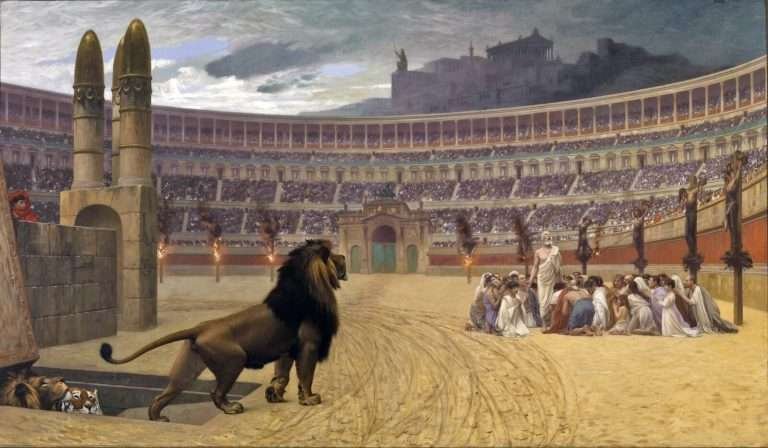
Pope Francis recalled the efforts of St. Pope John Paul II, who formed a similar commission for the Great Jubilee in 2000. During that time, the commission received 13,000 testimonies of individuals who gave their lives for Christ in the 20th century. Some of these stories were shared during an ecumenical prayer service held at the Colosseum on May 7, 2000.

The pope expressed his intention to hold a similar event during the 2025 Jubilee Year, highlighting what he referred to as the “ecumenism of blood.” He acknowledged the remarkable courage of Christians who, despite the risks, publicly live out their faith, participate in Sunday liturgies, engage in charitable works for the poor, or become “silent victims” caught in violent conflicts. The pope emphasized the debt owed to these individuals and the need to remember and honor their sacrifices.

Pope Francis referenced St. John Paul II’s apostolic letter from 1994, Tertio Millennio Adveniente, which emphasized the importance of preserving the memory of the “unknown soldiers of the great cause of God.” In a world that sometimes seems dominated by evil, the pope believes that compiling this catalog of martyrs, particularly in the context of the upcoming Jubilee, will allow believers to interpret the present time through the lens of Easter, drawing inspiration from the faithful witness of these individuals.

Cardinal Marcello Semeraro, prefect of the Dicastery for the Causes of Saints, and Archbishop Fabio Fabene, secretary of the Dicastery, will lead the new commission. Notably, Andrea Riccardi, founder of the Catholic Community of Sant’Egidio, serves as the vice president, and Father Marco Gnavi, secretary of the 2000 commission and pastor of the Basilica of St. Mary in Trastevere, acts as the secretary. The commission includes various members, such as Father Dominique Arnauld, Father Kokou Mawuena Ambroise Atakpa, Sister Nadia Coppa of the Adorers of the Blood of Christ, professors Gianni La Bella and Maria Lupi, Father Roberto Regoli, Father Dinh Anh Nhue Nguyen of the Conventual Franciscans, Deacon Didier Rance, and Father Arturo Sosa

The Vatican Establishes Commission to Document Christian Martyrs of the Third Millennium

Pope Francis has made a significant announcement regarding the recognition of Christian martyrs from the third millennium. In a letter published on July 5, the Holy Father revealed the creation of the “Commission of New Martyrs – Witnesses of the Faith” under the Dicastery for the Causes of the Saints.

The primary purpose of this commission is to meticulously research and record the lives of Christian martyrs, irrespective of their Catholic or non-Catholic backgrounds, who have been slain within the past 25 years. It is important to note that Pope Francis is not introducing any modifications to the canon law concerning the formal recognition of martyrdom in the Catholic Church. Instead, his intention is to present the testimonies of those who have lost their lives due to their Christian beliefs, alongside the officially recognized martyrs of the Church.

In his letter, Pope Francis emphasized the prevalence of martyrdom in our present era, stating that “the martyrs ‘are more numerous in our time than in the early centuries.'” He underscored the remarkable sacrifices made by individuals from diverse walks of life, including bishops, priests, consecrated men and women, laypeople, and families, who have demonstrated exceptional acts of love and selflessness by offering their lives as the ultimate testament of charity.

The establishment of this commission by the pope aligns with the forthcoming 2025 Jubilee Year, which will revolve around the theme of hope. Pope Francis stressed that hope arises from the profound conviction that good triumphs over evil, as God, through Christ, has conquered sin and death.

The Holy Father also recollected the efforts of St. Pope John Paul II, who established a similar commission for the Great Jubilee in 2000. During that time, the commission received approximately 13,000 testimonies of individuals who laid down their lives for Christ during the 20th century. Some of these poignant stories were shared during an ecumenical prayer service held at the Colosseum on May 7, 2000.

Pope Francis expressed his intention to organize a similar event during the 2025 Jubilee Year, emphasizing what he termed the “ecumenism of blood.” He acknowledged the extraordinary courage of Christians who, despite the risks involved, openly live out their faith, participate in Sunday liturgies, engage in charitable works for the less fortunate, or become “silent victims” caught in violent conflicts. The pope emphasized the debt owed to these individuals and the need to remember and honor their sacrifices.

The Holy Father referred to St. John Paul II’s apostolic letter from 1994, Tertio Millennio Adveniente, which emphasized the significance of preserving the memory of the “unknown soldiers of the great cause of God.” In a world that sometimes appears dominated by evil, Pope Francis believes that compiling this catalog of martyrs, particularly in the context of the upcoming Jubilee, will enable believers to interpret the present time through the lens of Easter, drawing inspiration from the unwavering fidelity and witness of these extraordinary individuals.

Heading the new commission are Cardinal Marcello Semeraro, prefect of the Dicastery for the Causes of Saints, and Archbishop Fabio Fabene, secretary of the Dicastery. Notably, Andrea Riccardi, founder of the Catholic Community of Sant’Egidio, serves as the vice president, and Father Marco Gnavi, secretary of the 2000 commission and pastor of the Basilica of St. Mary in Trastevere, acts as the secretary. The commission also comprises esteemed members, including Father Dominique Arnauld, Father Kokou Mawuena Ambroise Atakpa, Sister Nadia Coppa of the Adorers of the Blood of Christ, professors

The Vatican Initiates Commission to Document Christian Martyrs of the Third Millennium

Pope Francis has made an important announcement regarding the recognition of Christian martyrs from the third millennium. In a letter published on July 5, the Holy Father revealed the establishment of the “Commission of New Martyrs – Witnesses of the Faith” under the Dicastery for the Causes of the Saints.

The primary objective of this commission is to meticulously research and catalog the lives of Christian martyrs, both Catholic and non-Catholic, who have been killed within the last 25 years. It is crucial to note that Pope Francis is not making any changes to the canon law governing the formal recognition of martyrdom in the Catholic Church. Rather, he intends to ensure that the testimonies of those who have lost their lives due to their Christian faith stand alongside the officially recognized martyrs of the Church.

In his letter, Pope Francis emphasized the prevalence of martyrdom in the present era, stating that “the martyrs ‘are more numerous in our time than in the early centuries.'” He underscored the extraordinary sacrifices made by individuals from various backgrounds, including bishops, priests, consecrated men and women, laypeople, and families, who have exemplified profound acts of love by offering their lives as the ultimate expression of charity.

The establishment of this commission by the pope aligns with the upcoming 2025 Jubilee Year, which will focus on the theme of hope. Pope Francis highlighted that hope emanates from the deep conviction that good triumphs over evil, as God, through Christ, has conquered sin and death.

The Holy Father also recalled the efforts of St. Pope John Paul II, who formed a similar commission for the Great Jubilee in 2000. During that time, the commission received approximately 13,000 testimonies of individuals who sacrificed their lives for Christ during the 20th century. Some of these poignant stories were shared during an ecumenical prayer service held at the Colosseum on May 7, 2000.

Pope Francis expressed his intention to hold a similar event during the 2025 Jubilee Year, emphasizing what he called the “ecumenism of blood.” He acknowledged the extraordinary courage of Christians who, despite the risks involved, openly lived their faith, participated in Sunday liturgies, engaged in charitable works for the less fortunate, or became “silent victims” caught in violent upheavals. The pope emphasized the debt owed to these individuals and the need to remember and honor their sacrifices.

The Holy Father referred to St. John Paul II’s 1994 apostolic letter, Tertio Millennio Adveniente, which stressed the importance of preserving the memory of the “unknown soldiers of the great cause of God.” In a world that sometimes seems dominated by evil, Pope Francis believes that compiling this catalog of martyrs, particularly in the context of the upcoming Jubilee, will enable believers to interpret the present time through the lens of Easter, drawing inspiration from the generous fidelity to Christ exhibited by these individuals.

Heading the new commission are Cardinal Marcello Semeraro, prefect of the Dicastery for the Causes of Saints, and Archbishop Fabio Fabene, secretary of the Dicastery. Notably, Andrea Riccardi, founder of the Catholic Community of Sant’Egidio, serves as the vice president, and Father Marco Gnavi, secretary of the 2000 commission and pastor of the Basilica of St. Mary in Trastevere, acts as the secretary. The commission also includes esteemed members such as Father Dominique Arnauld, Father Kokou Mawuena Ambroise Atakpa, Sister Nadia Coppa of the Adorers of the Blood of Christ, professors Gianni La Bella and Maria Lupi, Father Roberto Reg

The Vatican Establishes Commission to Document Christian Martyrs of the Third Millennium

Pope Francis has announced the creation of the “Commission of New Martyrs – Witnesses of the Faith” under the Dicastery for the Causes of the Saints. This commission’s purpose is to meticulously research and record the lives of Christian martyrs, both Catholic and non-Catholic, who have been killed within the past 25 years. Pope Francis emphasized that this initiative does not modify the canon law concerning the recognition of martyrdom in the Catholic Church but aims to acknowledge the testimonies of those who have lost their lives for their Christian faith alongside the officially recognized martyrs.

The pope noted that martyrdom is prevalent in the current era, with individuals from various backgrounds sacrificing their lives for their faith. He highlighted the courage and charity displayed by bishops, priests, consecrated men and women, laypeople, and families who have given their lives as an ultimate expression of love.

The establishment of this commission is aligned with the upcoming 2025 Jubilee Year, focusing on the theme of hope. Pope Francis emphasized that hope stems from the conviction that good overcomes evil through Christ’s victory over sin and death.

Referring to a similar commission formed by St. Pope John Paul II for the Great Jubilee in 2000, Pope Francis expressed his intention to hold a commemorative event during the 2025 Jubilee Year. This event would honor the “ecumenism of blood” and recognize the courage of Christians who publicly lived their faith, participated in liturgies, engaged in charitable works, or became victims of violent conflicts. The pope stressed the need to remember and honor these individuals’ sacrifices.

Pope Francis referred to St. John Paul II’s apostolic letter, Tertio Millennio Adveniente, which urged the preservation of the memory of the “unknown soldiers of the great cause of God.” The pope believes that compiling a catalog of martyrs, especially in the context of the upcoming Jubilee, will allow believers to interpret the present time through the lens of Easter, finding inspiration in the faithful witness of these individuals.

The commission will be led by Cardinal Marcello Semeraro, prefect of the Dicastery for the Causes of Saints, and Archbishop Fabio Fabene, secretary of the Dicastery. Notable members include Andrea Riccardi, founder of the Catholic Community of Sant’Egidio, and Father Marco Gnavi, secretary of the 2000 commission. The commission comprises respected individuals from various backgrounds, united in their dedication to documenting the lives of Christian martyrs.


Vatican Grants Plenary Indulgence for World Day Celebrations in Honor of Grandparents and the Elderly

0

Pope Francis Selects Theme of God’s Eternal Mercy for Grandparents’ Day 2023

The annual celebration of Grandparents’ Day, with its theme derived from the Gospel of Luke, serves as a reminder of God’s timeless mercy. Pope Francis has chosen the phrase “His mercy is from age to age” to underscore this year’s occasion, which coincides with the Sunday before the Feast of Saints Anne and Joachim, the grandparents of Jesus.

Recognizing the significance of the event, Cardinal Mauro Piacenza, head of the Vatican’s Apostolic Penitentiary, has issued a decree on July 5, granting a plenary indulgence for Grandparents’ Day 2023. The Apostolic Penitentiary is responsible for matters concerning indulgences and the absolution of grave sins within the Catholic Church.

In Catholic doctrine, an indulgence signifies the remission of temporal punishment for sins that have already been forgiven. To qualify for a plenary indulgence, individuals must meet specific conditions, including being in a state of grace, possessing genuine detachment from sin, and offering prayers for the intentions of the Pope.

Furthermore, individuals must receive the Sacrament of Penance and partake in Holy Communion, ideally within a timeframe of 20 days before or after the prescribed prayers for the indulgence.

Understanding the importance of this opportunity, Cardinal Piacenza has encouraged priests to be readily available for the Sacrament of Penance, facilitating the faithful’s access to divine grace.

The decree outlines various ways to obtain the plenary indulgence for Grandparents’ Day. One approach is to dedicate time on July 23 to visit elderly individuals, particularly those who are sick, disabled, or neglected. Alternatively, connecting with them through phone or video calls can fulfill the requirements.

Attending the Grandparents’ Day Mass celebrated by Pope Francis at the Vatican or participating in another Grandparents’ Day Mass also grants the plenary indulgence.

For those unable to physically partake in the events due to illness, advanced age, or other serious reasons, the decree emphasizes the opportunity to spiritually unite with the celebrations. By offering their prayers, suffering, and life’s hardships to the Merciful God, they can be present in spirit. This can be achieved through watching the pope’s Mass or other relevant ceremonies on television or online.

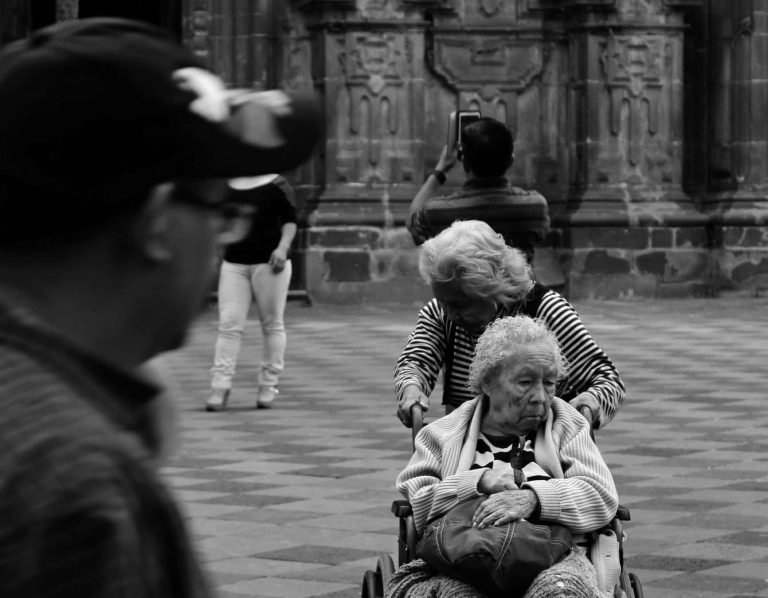
Established in 2021, the World Day for Grandparents and the Elderly, as designated by Pope Francis, emphasizes the dignity of the elderly and the vital role of grandparents in transmitting the faith to future generations.

Supreme Court Upholds Web Designer’s Rights in Same-Sex Marriage Case

0

Supreme Court Upholds Web Designer’s Rights in Same-Sex Marriage Case

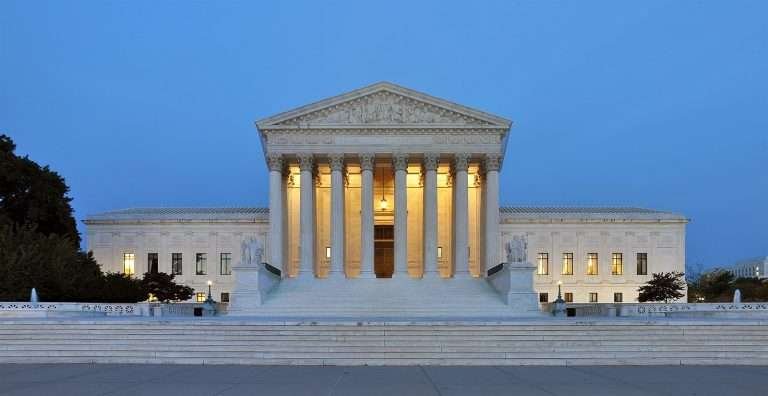
In a significant ruling, the U.S. Supreme Court has upheld the First Amendment’s free speech clause to safeguard the rights of a Colorado web designer who faced potential prosecution under state anti-discrimination law due to her faith-based objections to creating websites promoting same-sex marriage or same-sex weddings.

Lorie Smith, owner of 303 Creative LLC, a graphic and web design studio, brought forth this legal challenge as a preemptive measure to prevent the law from being used against her. It is important to note that the case did not address whether this constituted a violation of religious freedom, but rather focused on whether compelling an artist to express or remain silent goes against the First Amendment’s free speech protections.

Justice Neil Gorsuch, in a 6-3 decision, stated, “Colorado seeks to force an individual to speak in ways that align with its views but defy her conscience about a matter of major significance. But, as this court has long held, the opportunity to think for ourselves and to express those thoughts freely is among our most cherished liberties and part of what keeps our republic strong. Tolerance, not coercion, is our nation’s answer.”

The legal representation for Lorie Smith came from the Alliance Defending Freedom (ADF), which hailed the ruling as a “landmark” victory. They described it as a sweeping triumph for free speech that extends to all Americans.

Justice Gorsuch’s decision, known as 303 Creative v. Elenis, drew upon various Supreme Court precedents, including cases involving students’ right to refrain from saluting the flag, a St. Patrick’s Day parade’s freedom to exclude a particular group, and the Boy Scouts’ ability to reject a gay scout leader.

However, Justice Sonia Sotomayor, joined by Justices Elena Kagan and Ketanji Brown Jackson, dissented, arguing that the decision granted a constitutional right to businesses to refuse service to protected classes for the first time in the Court’s history. Sotomayor emphasized that the law in question regulated conduct rather than speech and that discrimination had never been considered protected expression under the First Amendment.

It is important to highlight that Lorie Smith, in her own words, stated that she serves everyone, including members of the LGBT community, but there are certain messages she cannot create due to her beliefs. She stressed that her case is about freedom of speech for all artists.

The U.S. Conference of Catholic Bishops, among other groups, filed amicus briefs in support of Lorie Smith’s position.

The panel acknowledged that the Colorado law compelled Smith to create websites and speech that she would otherwise refuse and posed a substantial risk of suppressing certain ideas or viewpoints, including Smith’s beliefs about marriage. However, it ruled in favor of the law, partly due to Smith’s creation of “custom and unique” expressions.

This case, known as 303 Creative, challenged the same Colorado law that brought baker Jack Phillips and his business, Masterpiece Cakeshop, to the Supreme Court after he declined to bake a wedding cake for a same-sex wedding. The Supreme Court’s June 2018 ruling in favor of Phillips found that the Colorado Civil Rights Commission had shown hostility towards his religious beliefs.

Phillips is currently facing another lawsuit for allegedly refusing to bake a cake celebrating a transgender attorney’s gender transition. He argues that his cakes are a form of speech and plans to appeal a ruling against him in the Colorado Court of Appeals.